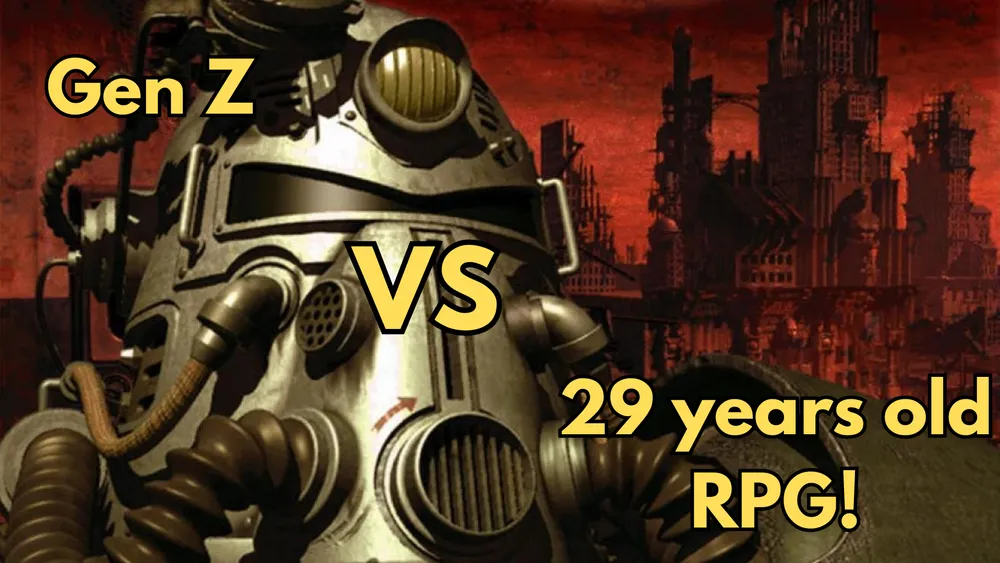
War. War never changes
Those words probably don’t need an introduction for any gamer. This is how the world of Fallout begins - a world of radioactive wastelands, ruined cities, and survival that does not forgive mistakes. From the very first moments, the game makes one thing clear: this won’t be easy, and no one is here to help you. You’re on your own. was released in 1997 by Interplay Productions and became the foundation of one of the most important RPG franchises in gaming history. It’s a classic isometric computer RPG set in a post-apocalyptic version of an alternate future. A world where humanity reached incredible technological heights - only to destroy itself through nuclear war.
Those who survived now struggle with radiation, mutated creatures, and other survivors, among whom brutality, anarchy, theft, and murder are everyday realities.
A Vault Dweller Without Nostalgia
I didn’t grow up with Fallout. I’m part of Generation Z, and my first real contact with this game happened only recently, as an adult. That means there’s no nostalgia speaking through me - only a fresh perspective.
This is also a very subjective take. Some elements I consider flaws might be strengths for other players, and vice versa. But that’s part of what makes discussions about classic RPGs so interesting.
In Fallout, you play as a resident of one of the underground Vaults created by the Vault-Tec corporation before the war. Due to a critical malfunction, you’re forced to leave the safety of your Vault. Not to save the world - but to save your home.
There is a time limit, but it doesn’t feel intrusive or stressful. Instead, it helps keep the focus on the main story and prevents the absurd situation where you end up doing everything around you while completely ignoring the narrative.
A Game That Helped Define the Genre
Fallout was created during a time when RPGs were still experimenting with open worlds and non-linear storytelling. Many mechanics that are considered standard today were groundbreaking back then.
Turn-based combat built around percentage chances, character development focused on skills rather than classes, and moral decisions that have real, lasting consequences on the world - all of this was revolutionary at the time.
And it’s all wrapped in a universe that is brutal and unforgiving, yet filled with dark humor, absurd situations, and strange characters that still manage to stick in your memory decades later.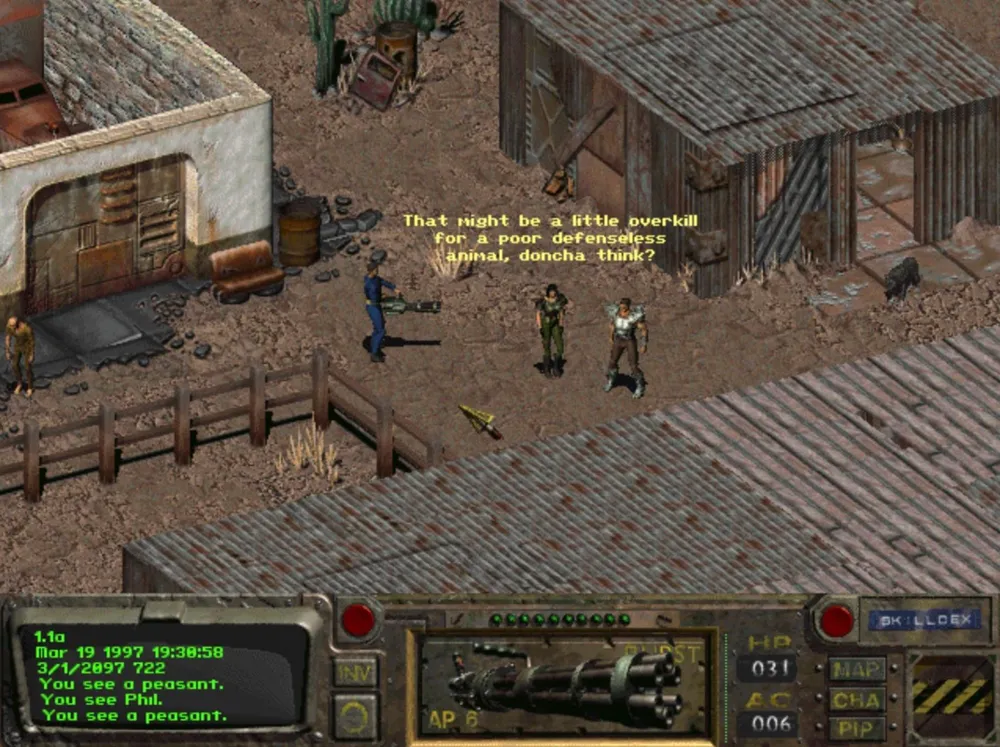
How Does It Feel for a Younger Player?
So how does Fallout 1 hold up for someone who is literally younger than the game itself?
Short answer: it’s a mixed experience.
Some aspects have aged very visibly. The graphics are archaic, the interface is far from intuitive by modern standards, and the turn-based combat system can be frustrating — especially when your character repeatedly misses a shot from point-blank range because the percentage just wasn’t in your favor.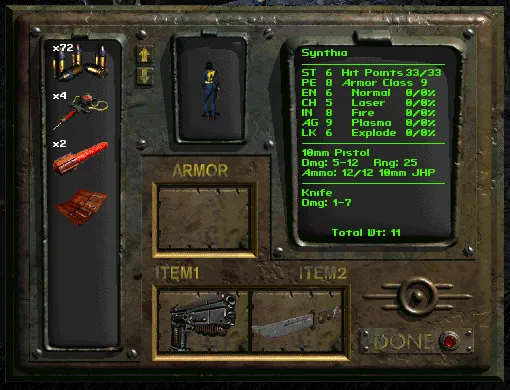
At the same time, many elements still work surprisingly well. The world feels consistent and thoughtfully designed. Your decisions matter. Dialogues and side quests often surprise you with unexpected consequences or clever humor.
One of the strongest aspects is the freedom of choice. Many quests can be solved in multiple ways, and not everything has a single “correct” ending. How you approach situations truly shapes your experience, encouraging experimentation and role-playing.
I was genuinely surprised by how well some parts of the game still hold up, even after nearly 29 years. Fallout doesn’t hold your hand. You’re expected to explore, plan, and live with the consequences of your actions.
The Cost of Old-School Design
That said, the game can also feel overwhelming. The combination of turn-based combat, outdated menus, and a lack of clear guidance often left me confused. There were moments when I didn’t know what to do next and had to rely on guides — something that can easily discourage new players.
This is where the age of the game becomes impossible to ignore.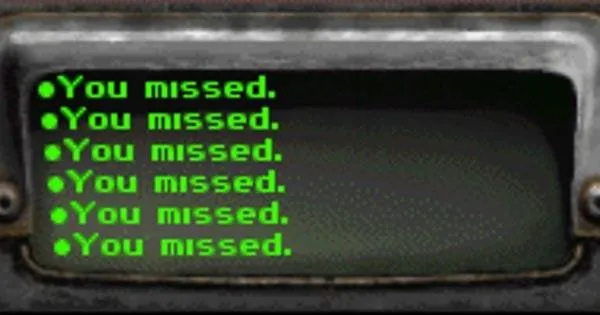
Is Fallout 1 Worth Playing in 2026?
In my opinion: yes - but with conditions.
If you’re looking for a unique, harsh world that reacts to your choices and allows you to shape your own story, Fallout 1 still has a lot to offer. However, you need patience. This is a game for players who enjoy classic RPGs and want to experience the roots of open-world design.
If you expect fast action, modern visuals, and instant gratification, Fallout 1 will likely push you away. But if you’re willing to slow down, accept its rough edges, and immerse yourself in a post-apocalyptic world that doesn’t care about you - the reward can be incredibly satisfying.
Final Thoughts
Revisiting classic RPGs from the perspective of a younger generation is fascinating. Games like Fallout 1 aren’t just entertainment - they’re historical artifacts that show how the medium evolved and why modern games look the way they do today.
And while war may never change, the way we experience games continues to shift, influenced by generational differences, modern design standards, and changing player expectations.


No comments yet. Be the first!